DOE Grant Administration Services for Electric Cooperatives
Federal Funding Creates Opportunity. It Also Creates Operational Pressure.
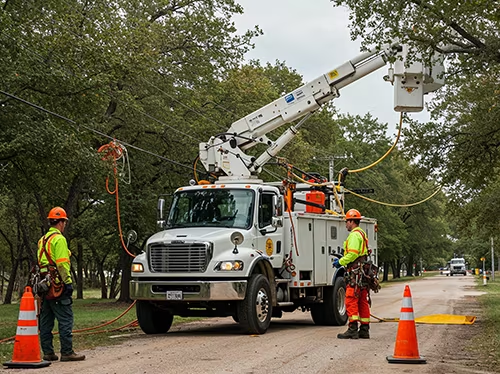
DOE funding is helping electric cooperatives modernize infrastructure, expand broadband access, strengthen system resilience, improve reliability, and support long-term energy strategy.
But once an award is received, the real administrative burden begins.
Federal funding introduces documentation requirements, reimbursement tracking, procurement oversight, reporting obligations, environmental coordination, subcontractor management, audit exposure, and schedule pressure that many cooperatives were never staffed internally to absorb.
Most electric cooperatives operate lean by design. Leadership teams are focused on system reliability, member service, capital planning, and day-to-day operations, not building internal federal compliance departments.
That tension is real.
Projects still have to move. Crews still have to respond. Systems still have to operate. Meanwhile federal requirements continue to expand across every phase of project delivery.
Guernsey provides grant administration support built specifically for cooperative infrastructure environments.
We help electric cooperatives manage the administrative, environmental, documentation, and compliance demands that come with federally funded infrastructure programs so projects continue moving without overwhelming internal teams.
Built Around Cooperative Infrastructure Reality
Electric cooperative projects are operational infrastructure projects.
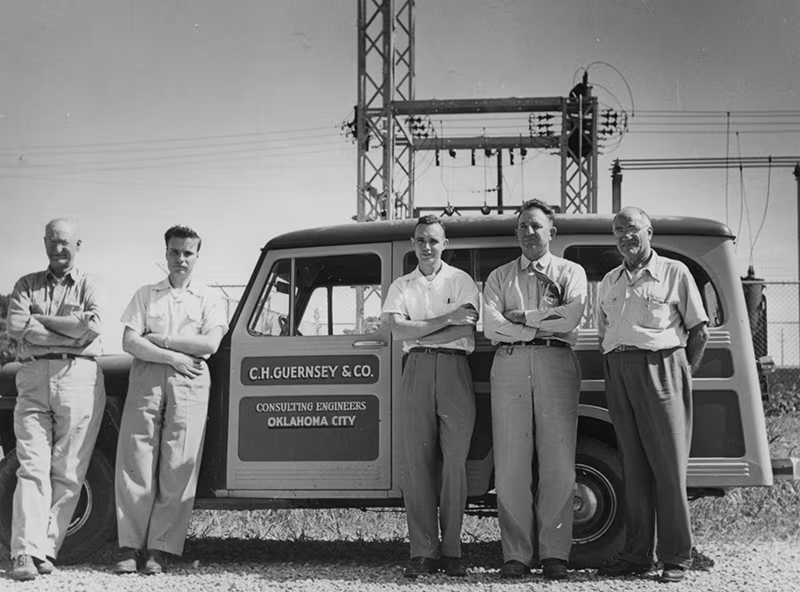
Electric cooperative projects involve active systems, rural service territories, environmental constraints, phased implementation, member impacts, contractor coordination, and long-duration infrastructure planning.
These are not generic construction environments. They are operational systems that must continue serving members while projects move forward.
Guernsey has supported electric cooperative infrastructure for decades through utility engineering, environmental services, infrastructure planning, operational coordination, and federally influenced project delivery.
Our cooperative roots trace back to the REA era. That history matters because federally funded infrastructure programs require more than administrative processing. They require teams that understand how cooperative systems operate in the field.
Where DOE-Funded Cooperative Projects Break Down
The primary risk is rarely the award itself.
The risk is losing control of administration, documentation, coordination, and compliance after funding is received.
Common pressure points include:
- Reimbursement documentation that falls behind project activity
- Procurement documentation gaps
- Environmental coordination delays
- Incomplete reporting support
- Contractor and subcontractor documentation inconsistency
- Schedule drift caused by unresolved compliance requirements
- Internal staff carrying grant responsibilities in addition to full-time operational roles
- Difficulty maintaining organized audit-ready project files
- Disconnects between field activity, engineering progress, environmental requirements, and federal documentation
These problems compound quickly once construction activity accelerates.
The result is administrative strain on cooperative staff, delayed reimbursements, project slowdowns, and increased compliance exposure.
Grant Administration Support Built for Electric Cooperatives
We provide structured administrative and coordination support designed to help cooperatives maintain project control throughout the life of federally funded infrastructure programs.
Support adapts to the cooperative, the funding structure, and the operational complexity of the project.
Grant Administration Coordination
- Project administration support
- Grant documentation management
- Schedule and milestone coordination
- Funding requirement tracking
- Federal reporting support
- Communication coordination between stakeholders
- Audit-ready documentation organization
- Compliance tracking support
- Risk identification and escalation coordination
Reimbursement and Documentation Support
- Reimbursement package coordination
- Invoice and supporting documentation tracking
- Documentation alignment across contractors and vendors
- Record organization and retention support
- Progress documentation coordination
- Federal file management support
Procurement and Contractor Coordination
- Procurement documentation support
- Bid and contractor documentation coordination
- Subcontractor documentation tracking
- Federally required documentation organization
- Contractor compliance coordination support
Environmental and Infrastructure Coordination
- Environmental coordination support
- NEPA and permitting alignment assistance
- Utility corridor and infrastructure coordination
- Broadband and utility infrastructure environmental support
- Agency and stakeholder coordination support
- Alignment between environmental requirements and project schedules
Program and Infrastructure Support
- Broadband deployment programs
- Grid modernization initiatives
- Resiliency and reliability improvements
- Substation and utility infrastructure projects
- System expansion initiatives
- Federally funded infrastructure implementation programs
We Understand Federally Funded Infrastructure Delivery
Many grant administration firms understand paperwork.
Few understand infrastructure delivery.
Federally funded cooperative projects require coordination between operational realities and federal requirements. That includes understanding:
- Active utility environments
- Rural infrastructure systems
- Construction sequencing
- Environmental review pathways
- Utility corridors and right-of-way constraints
- Operational continuity requirements
- Contractor coordination
- Infrastructure documentation requirements
- Long-duration project administration
- Federal reimbursement environments
Environmental Coordination Is Often the Hidden Schedule Risk
Many DOE-funded projects trigger environmental review, permitting, or federal coordination requirements that directly affect schedule and reimbursement timing.
Those requirements frequently run parallel to engineering, procurement, and construction activity.
If environmental coordination starts late or becomes disconnected from project administration, projects lose momentum quickly.
Guernsey brings more than 25 years of environmental services experience supporting federally influenced infrastructure programs, including utility, transportation, municipal, broadband, and infrastructure delivery environments.
Our teams understand how to align environmental coordination with project execution to reduce delays, support documentation readiness, and keep projects moving. That coordination becomes especially important for:
- Broadband deployment projects
- Utility corridor work
- Federally funded infrastructure expansion
- Rural utility construction
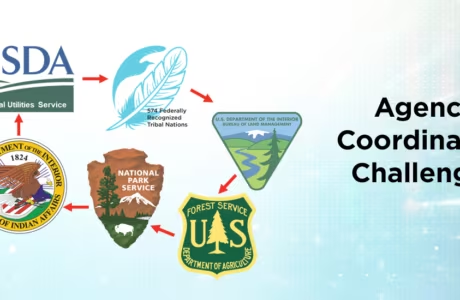
- Projects involving federal agencies or Tribal coordination
- Multi-phase infrastructure implementation programs
Cooperative Experience Matters
Electric cooperatives operate differently than most infrastructure owners. Decision-making structures, operational priorities, service obligations, member expectations, and staffing realities are different. We understand that culture because cooperative work is part of our history.
Guernsey has supported electric cooperatives nationwide for decades through infrastructure, utility, environmental, engineering, and operational consulting services tied directly to real-world system delivery and long-term infrastructure management. That experience creates stronger coordination, clearer communication, and more practical project support.
Reduce Administrative Strain Without Expanding Internal Staff
Most cooperatives do not want to build permanent internal grant administration departments to support temporary federal funding cycles. They need experienced support that can integrate with existing teams, maintain organization, support compliance, and reduce operational strain during project delivery. That is where we fit. We help cooperatives:
- Maintain project organization
- Support reimbursement readiness
- Reduce documentation gaps
- Coordinate administrative requirements
- Align environmental and project activity
- Improve visibility across project obligations
- Reduce pressure on internal operational staff
- Maintain momentum across federally funded projects
What Clients Gain
Better Project Control
Maintain visibility across documentation, reporting, coordination, and compliance obligations throughout project delivery.
Reduced Administrative Burden
Reduce strain on internal cooperative staff already managing operations, engineering, and member service responsibilities.
Stronger Documentation Readiness
Improve organization and consistency across reimbursement, procurement, contractor, and project documentation.
Coordinated Infrastructure Delivery
Align environmental, administrative, and project requirements to reduce delays and maintain momentum.
Support Built for Cooperative Systems
Work with teams that understand utility infrastructure, federally funded delivery environments, and cooperative operational realities.
Built for cooperative infrastructure environments.
Guernsey combines cooperative utility experience, environmental coordination, infrastructure delivery knowledge, and federal documentation support to help cooperatives maintain control after funding is awarded.
Start the Conversation Early
The most successful federally funded infrastructure programs establish administrative coordination early, before reporting obligations, procurement requirements, reimbursement tracking, and documentation pressures begin compounding during active delivery.
Early coordination improves visibility, reduces disruption, and helps maintain control as projects accelerate.
If your cooperative is preparing to execute a DOE-funded project, Guernsey can help support the administrative and coordination requirements that come with federally funded infrastructure delivery.
FAQs
Receiving a DOE award is the beginning of a much larger administrative and compliance process. Once funding is awarded, cooperatives often face reporting requirements, procurement documentation obligations, reimbursement tracking, environmental coordination, schedule management, subcontractor oversight, and audit-readiness expectations that continue throughout project delivery.
Many cooperatives are simultaneously managing active system operations, capital programs, outages, member service responsibilities, and staffing limitations while trying to absorb new federal requirements. Grant administration support helps cooperatives maintain organization, coordinate documentation, reduce compliance gaps, and keep federally funded infrastructure projects moving forward.
Not necessarily. Many cooperatives operate with lean teams and do not maintain dedicated internal grant administration departments because federal funding cycles are temporary while operational responsibilities remain constant.
External grant administration support can integrate with existing cooperative leadership, engineering teams, finance staff, environmental teams, and project managers to help manage documentation, reporting coordination, reimbursement readiness, procurement support, and compliance tracking without requiring permanent staffing expansion.
The goal is not to replace cooperative staff. The goal is to reduce administrative strain while maintaining project visibility and organizational control.
Documentation requirements vary by award structure and project type, but federally funded utility projects often require procurement records, contractor documentation, reimbursement support documentation, reporting records, environmental coordination records, schedule documentation, financial tracking, subcontractor support materials, and organized project files that remain audit-ready throughout delivery.
One of the most common problems in federally funded infrastructure projects is documentation falling behind active project work. As projects accelerate, field activity, contractor coordination, engineering progress, procurement activity, and reimbursement support requirements can quickly become disconnected if documentation processes are not managed consistently.
Strong grant administration support helps cooperatives maintain organization throughout the life of the project rather than attempting to reconstruct documentation later.
Environmental coordination can significantly affect schedule, permitting, procurement timing, construction sequencing, and overall project delivery. Depending on the project, cooperatives may need to address NEPA requirements, environmental reviews, agency coordination, permitting, cultural resource coordination, protected species considerations, wetlands, or other federally influenced environmental obligations.
Environmental requirements become particularly important in broadband deployment, utility corridor work, substation improvements, transmission-related infrastructure, and projects involving federal funding or federal agency coordination.
When environmental coordination starts too late, projects often experience avoidable delays, redesign efforts, documentation gaps, procurement disruption, or schedule drift. Early coordination between environmental requirements and project delivery helps cooperatives maintain momentum and reduce downstream risk.
Yes. Effective grant administration support should integrate with existing cooperative operations rather than creating additional layers of complexity.
Support can coordinate with cooperative leadership, finance teams, engineers, environmental consultants, contractors, procurement personnel, and project managers to improve visibility across project requirements while helping maintain organized documentation and compliance support.
Every cooperative operates differently. Grant administration support should adapt to the cooperative’s structure, staffing model, operational priorities, and project delivery process.
The largest risks are usually not caused by a single major failure. Most problems develop through smaller documentation and coordination gaps that compound over time during active project delivery.
Common issues include incomplete procurement documentation, reimbursement records that do not align with project activity, environmental coordination delays, inconsistent subcontractor documentation, fragmented reporting support, and internal staff carrying federal administration responsibilities in addition to full-time operational roles.
As infrastructure projects accelerate, administrative requirements often expand faster than internal teams can absorb them. Maintaining organization, visibility, and coordination throughout delivery is one of the most important factors in reducing compliance risk.
Reimbursement support typically involves organizing and coordinating project records, procurement documentation, contractor information, financial tracking support materials, and supporting documentation tied to eligible project activity.
One of the biggest challenges for cooperatives is maintaining documentation consistency while projects are actively moving through procurement, engineering, environmental coordination, construction, and contractor activity. When documentation systems are inconsistent, reimbursement requests become slower, more difficult to support, and more vulnerable to audit scrutiny.
Strong reimbursement coordination helps maintain project organization throughout delivery and reduces the need for reactive documentation recovery later.
Federally funded cooperative projects involve real operational systems. Infrastructure decisions affect service territories, construction sequencing, environmental coordination, member impacts, outage planning, procurement timing, contractor coordination, and ongoing system operations.
Grant administration teams that understand utility infrastructure environments can coordinate more effectively with engineers, contractors, environmental teams, operational staff, and cooperative leadership because they understand how infrastructure projects are actually delivered.
That operational understanding becomes especially important when projects involve substations, utility corridors, broadband deployment, transmission systems, phased implementation, or federally influenced environmental coordination.
Yes, and integrating those functions early often reduces project risk significantly.
Environmental requirements, permitting, documentation, procurement timing, reimbursement support, and project schedules frequently affect one another during federally funded infrastructure delivery. When environmental coordination operates separately from administrative coordination, projects are more likely to experience schedule drift, documentation inconsistencies, delayed approvals, or avoidable project interruptions.
Coordinating environmental support alongside grant administration helps improve communication across project teams, maintain visibility into compliance requirements, and support more consistent project delivery throughout the life of the award.