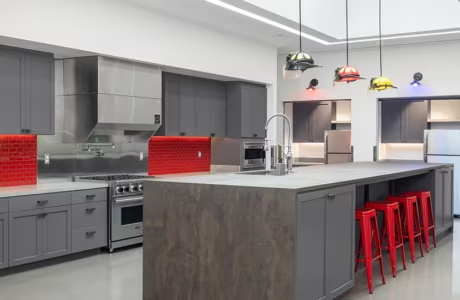
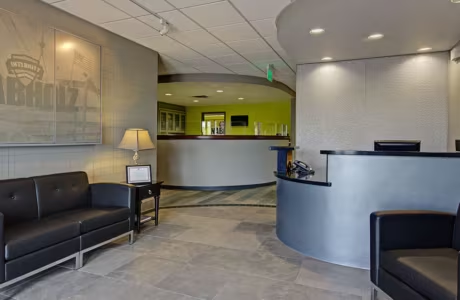
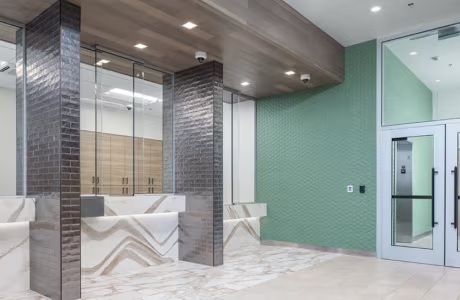
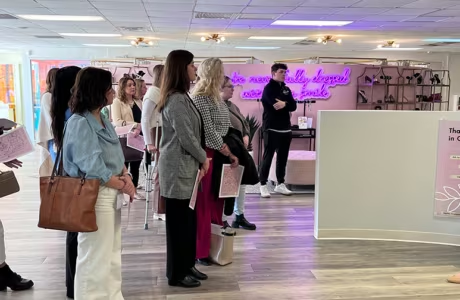
Interior Design That Shapes How People Work, Connect, and Perform
Interior spaces influence focus, collaboration, and well-being. When interior design aligns with how an organization actually operates, buildings become more effective, adaptable, and human-centered.
Most firms design interiors as a layer within the building. Guernsey defines how interiors function—integrated with architecture, engineering, and operations from the start.
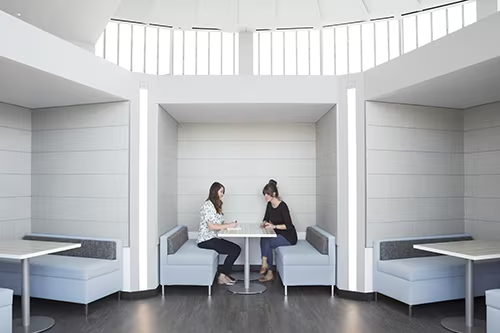
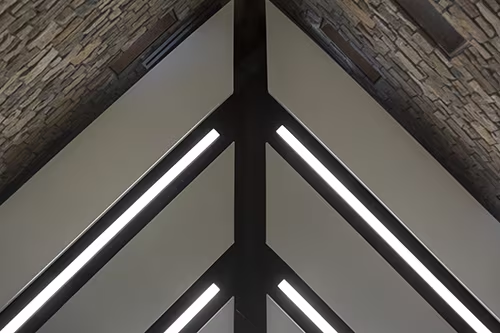
Interior Design That Keeps Projects Moving
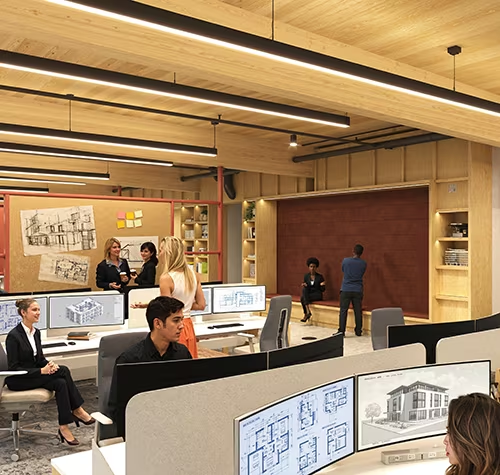
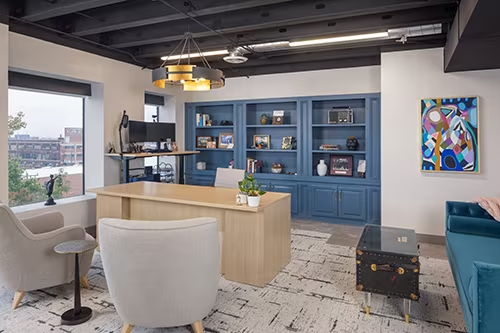
Interior design decisions directly affect how organizations function day to day. Projects often occur in occupied facilities, require coordination across multiple stakeholders, and must align with building systems, technology, and long-term use.
When these elements are addressed early, projects move forward with clarity. When they are not, they create rework, disruption, and inefficiency.
Guernsey approaches interior design as part of the overall building system—integrated with architecture, engineering, and operations from the beginning.
- Space planning reflects how people actually work
- Furniture and layouts support real workflows
- Lighting, acoustics, and technology are integrated from the start
- Renovations are planned to maintain continuity in active facilities
- Systems are aligned with the spaces designed to support them
Interior Design Experience at Scale
Experienced Leadership, Integrated Teams
Interior design is led by professionals with 25+ years of experience, supported by a multidisciplinary team spanning interior design, engineering, and building systems. Projects are delivered with a full understanding of how interiors perform within the larger facility.
Repeated Across Project Types
Work spans corporate headquarters, higher education facilities, civic and public environments, federal projects, and complex renovations. These environments share similar operational, coordination, and stakeholder challenges—and are delivered repeatedly across sectors.
Built for Real-World Conditions
Interior design is executed within occupied facilities, phased renovations, and design-build environments. Lighting, technology, and building systems are integrated early and carried through construction to maintain performance and continuity.
Recognized Design Performance
- Best Project in Corporate Medium (2026)
- Best in Show – Oklahoma Interior Design Coalition (2025)
- Additional recognition for civic and institutional design environments.
Wellness, Connection and Purpose
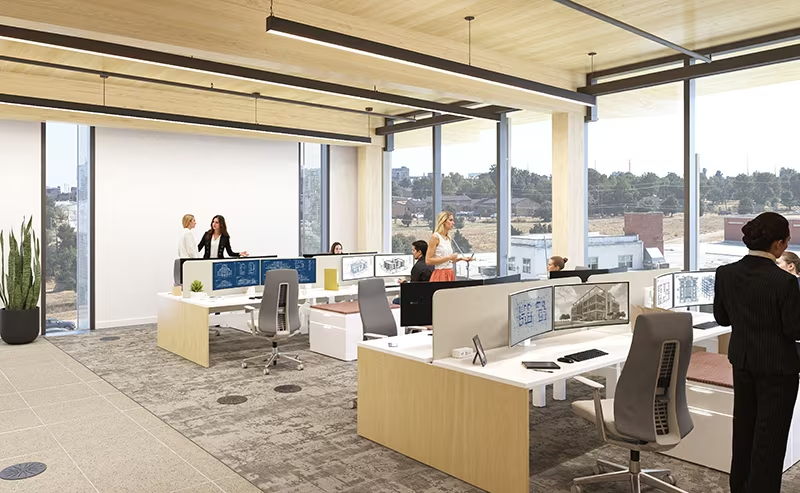
Guernsey’s new headquarters reflects how interior design shapes performance and culture. Designed as a WELL-aligned environment, the space prioritizes air quality, natural light, movement, and connection.
Interior decisions reinforce that intent. Materials create warmth and clarity. Space planning supports both collaboration and focus. Lighting is treated as a system—balancing concentration, comfort, and rhythm throughout the day.
The result is an environment that supports how people think, work, and recharge—demonstrating how interior design directly influences performance and well-being.
Interior Design That Aligns Space, Systems, and Operations
Interior design decisions are structured to align space, systems, and operations from planning through occupancy—so environments function as intended.
1. Understand How the Organization Uses Space
Define workflows, departments, equipment needs, and stakeholder priorities to establish a clear foundation for design.
2. Define the Interior Environment
Translate operational needs into space planning, adjacency, circulation, and layout that support how the building functions.
3. Integrate Systems and Performance
Align lighting, acoustics, materials, and technology with the space so performance is built in—not added later.
4. Deliver and Implement
Coordinate furniture, finishes, and construction with procurement, phasing, and occupancy requirements to ensure the environment functions as intended.
Interior Design Capabilities
Understanding How Space Is Used
Programming and stakeholder engagement define how environments must function before design begins. This includes workflows, departmental needs, equipment requirements, and long-term flexibility.
Interior Systems and Spatial Design
Space planning and interior architecture establish how people move through and use the environment. Layouts, adjacencies, and circulation patterns are aligned with operational needs.
Environments That Support Performance
Interior environments are designed to support health, comfort, and productivity through air quality, lighting, acoustics, and material selection.
Furniture Integrated With Operations
Furniture, fixtures, and equipment are coordinated with space, systems, and use—not selected in isolation—ensuring functionality, durability, and long-term value.
Lighting and Technology Integration
Lighting and technology systems are incorporated early to support performance, usability, and adaptability while avoiding late-stage coordination issues.
Wayfinding and Interior Graphics
Wayfinding systems and environmental graphics support navigation, reinforce identity, and improve the user experience within complex environments.
Interior Design in Active Facilities
Projects are planned and executed with occupancy in mind, minimizing disruption while maintaining safety and operational continuity.
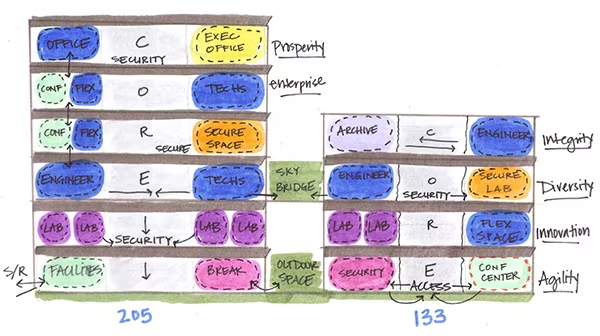
Start with How Your Space Needs to Work
Interior design defines how your organization functions—not just how it looks. Define how space, systems, and people interact early—so the building performs as intended.
Engage Guernsey to define how your space, systems, and people work together—before design begins.
Contact Us Today!FAQs
Interior design should begin during early planning to align space, systems, and operations before design advances.
Interior design affects lighting, acoustics, workflow, and comfort—directly influencing how effectively a space supports its users.
Yes. Interior design strategies can be applied to renovations and occupied facilities with careful planning and phased implementation.
Services include programming, space planning, interior architecture, lighting and technology integration, FF&E coordination, and construction support.