Architecture for Facilities That Must Perform
Architecture services for operational infrastructure. Innovation is not an aesthetic exercise. It is a performance strategy.
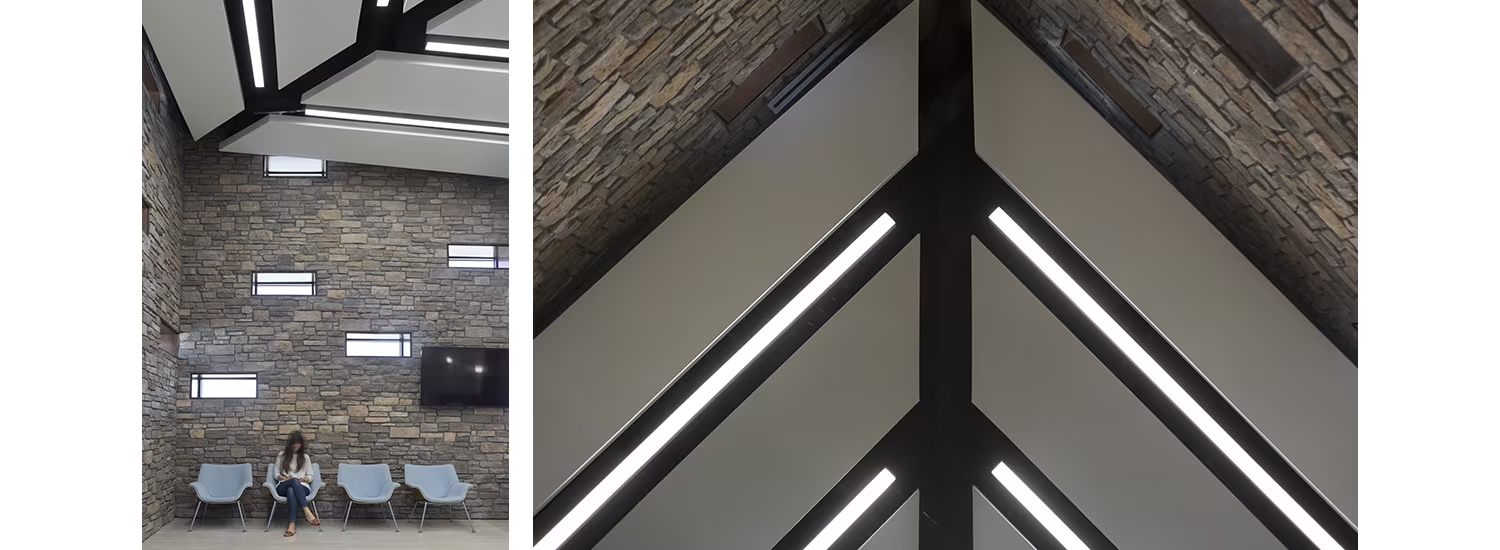
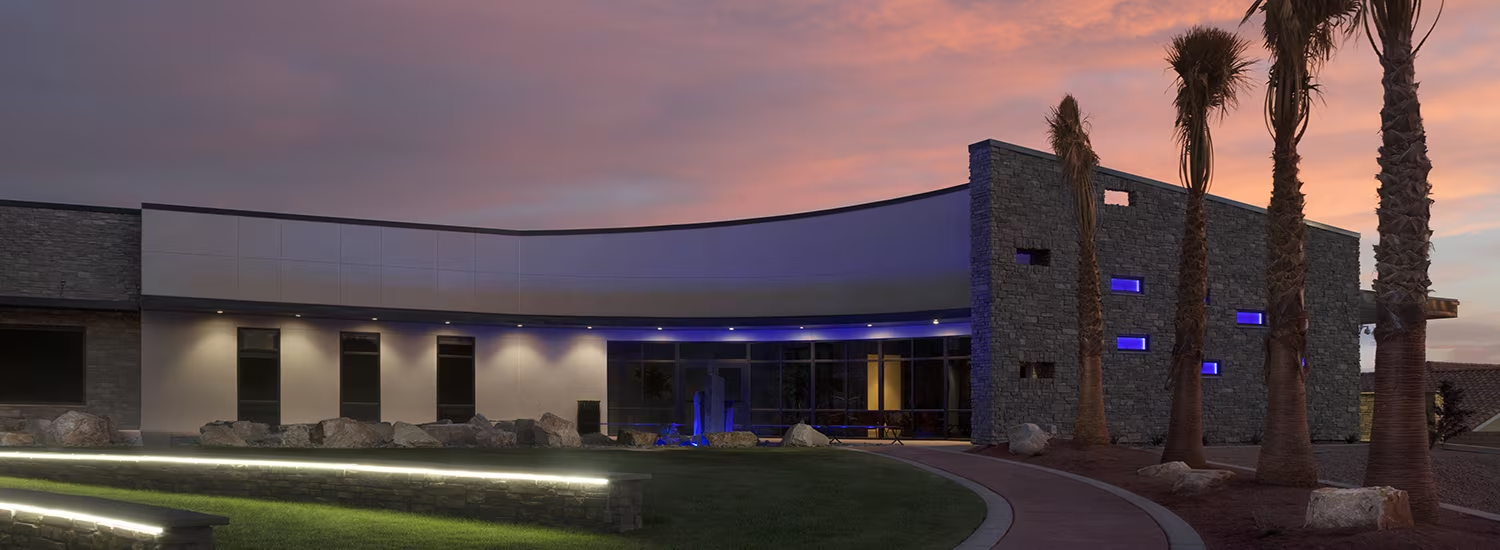
Guernsey designs non-residential facilities where material systems, structural strategy, energy performance, and operational clarity are aligned from the outset. Our work spans headquarters and campuses, electric cooperative facilities, fleet and maintenance environments, secure and regulated installations, municipal operations, and technically complex institutional buildings.
- Performance under constraint
- Integrated architecture and engineering
- Operational clarity from the outset
- Long-term asset value
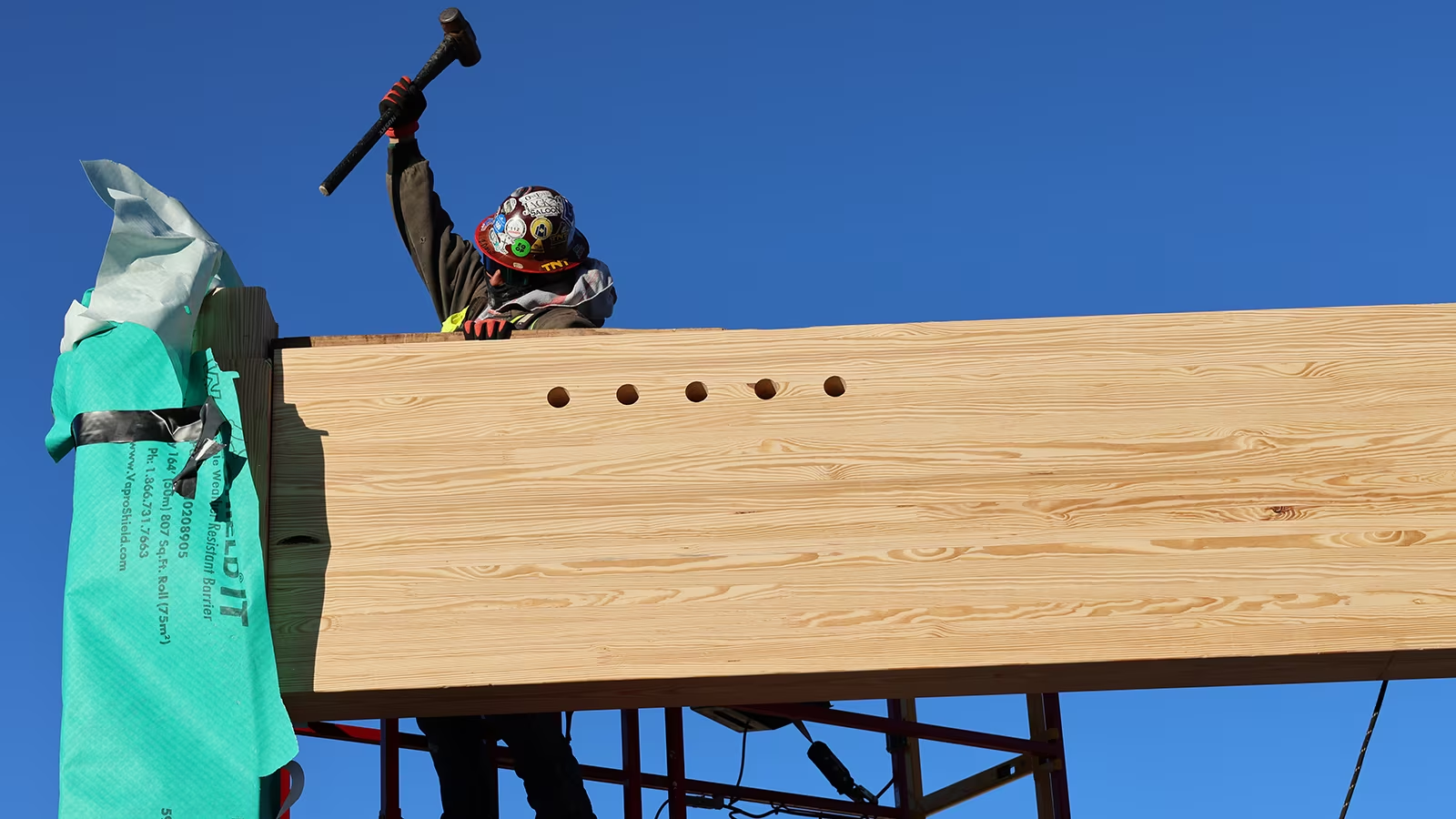
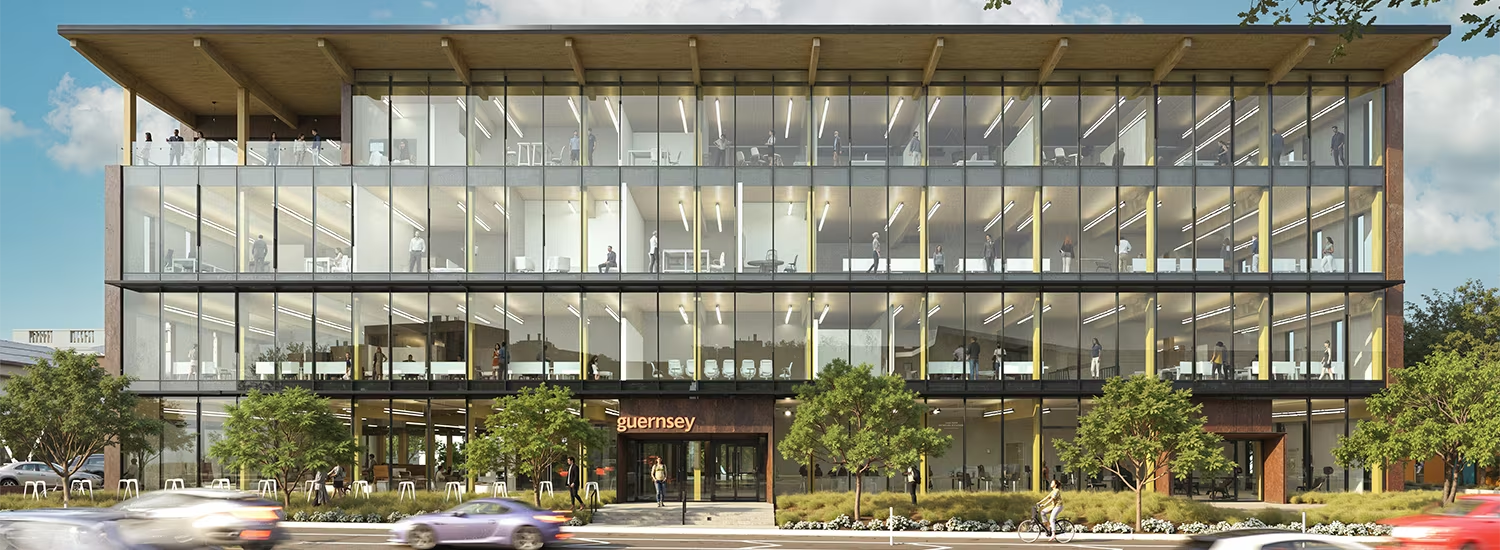
Mass timber beam set into place during construction of the new Guernsey Headquarters.
Material & Structural Leadership
Advanced structural systems and contemporary material strategies are deployed where they improve performance. Innovation, in our practice, is applied deliberately. It must strengthen lifecycle value, not compete with it.
This approach aligns structural thinking, façade durability, energy performance, and long-term workplace functionality from the start.
Architecture Experience and Delivery Capability
Architecture Experience at Scale
- Facilities ranging from ~9,700 SF specialized operations centers to 316,000+ SF office and laboratory campuses
- Multi-building campuses and master planning across sites up to 40 acres with integrated infrastructure systems
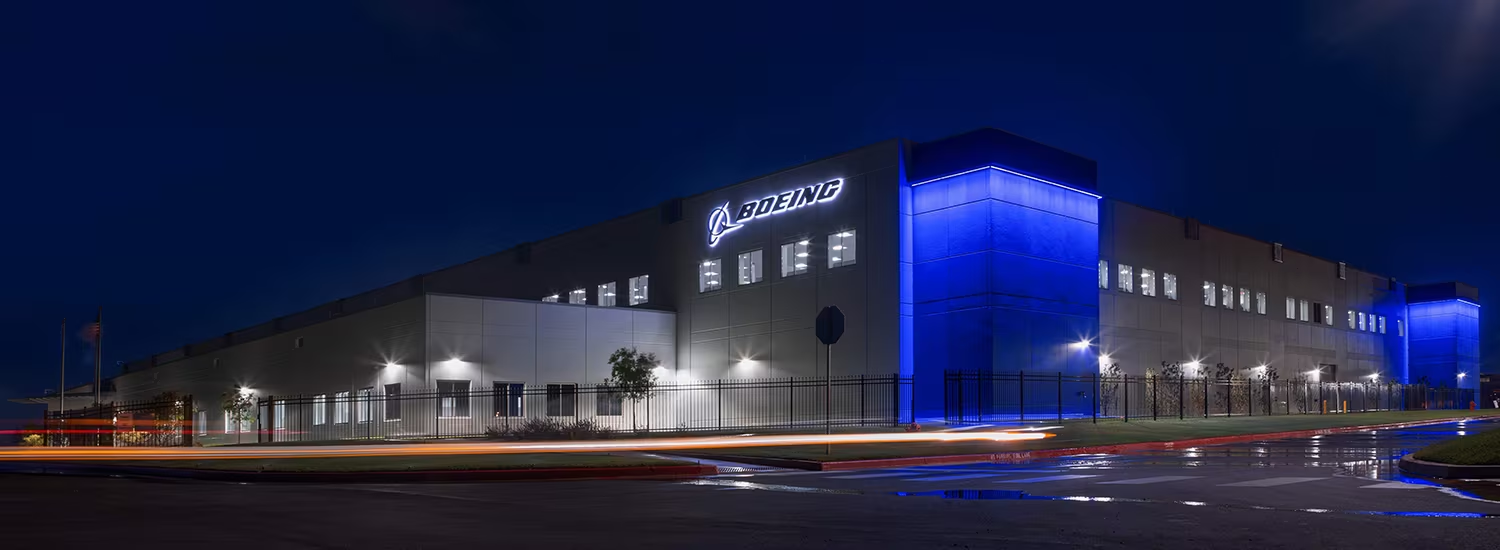
- Projects spanning corporate headquarters, utility campuses, training centers, laboratories, and secure government facilities
Secure and Mission-Critical Environments
- Design of ICD-705 compliant facilities, secure laboratories, and defense-related research environments
- Facilities supporting high-security operations, controlled access, and sensitive technical infrastructure
- Integration of operational, administrative, and specialized spaces within single coordinated facilities
Delivery Under Real Constraints
- Fast-track delivery including full design packages completed in as little as 8–20 weeks
- Accelerated construction timelines delivered in under one year on complex facilities
- Phased renovations and additions completed while maintaining operational continuity
Complex Facility Types
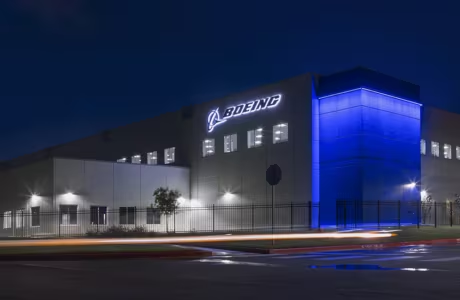
- High-bay research environments designed to accommodate full-scale aircraft components
- Office, laboratory, and testing environments integrated within single facilities
- Utility and cooperative campuses designed for resilience, maintenance operations, and emergency response
Integrated Architecture and Engineering
- Full in-house coordination across architecture, structural, MEP, civil, and specialty disciplines
- Systems aligned early to support performance, durability, and long-term operations
- Delivery approach that carries decisions from planning through construction without drift
Architecture Aligned to Operational Reality
The work spans headquarters, utility campuses, fleet environments, secure installations, and public operations. Each sector demands a different balance of performance, compliance, circulation, systems integration, and durability.
Headquarters & Institutional Campuses
We design corporate headquarters, institutional facilities, and operational campuses that unify administration, engineering, and workforce environments.- Corporate and cooperative headquarters
- Multi-story office buildings
- Operations and maintenance campuses
- Education and institutional support facilities
- Administrative and training environments
Utility & Energy Infrastructure
Our long-standing work with electric cooperatives and energy providers (public and private) informs a deep understanding of operational campuses.- Electric cooperative headquarters and district offices
- Operations and maintenance complexes
- Fleet storage and service facilities
- Hardened dispatch centers and IT rooms
- Integrated site circulation planning
Secure & Regulated Environments
Certain environments require heightened compliance and embedded systems coordination. Architecture in these settings protects the mission.- SCIF and compliance-driven spaces
- Secure laboratory and research environments
- Aviation and high-bay facilities
- Federal logistics and maintenance complexes
- Support for uninterrupted operations
Recent headquarters and campus projects range from approximately 18,000 to more than 75,000 square feet and integrate dispatch functions, collaborative workspaces, storm-hardened areas, telecommunications rooms, and high-efficiency building systems.
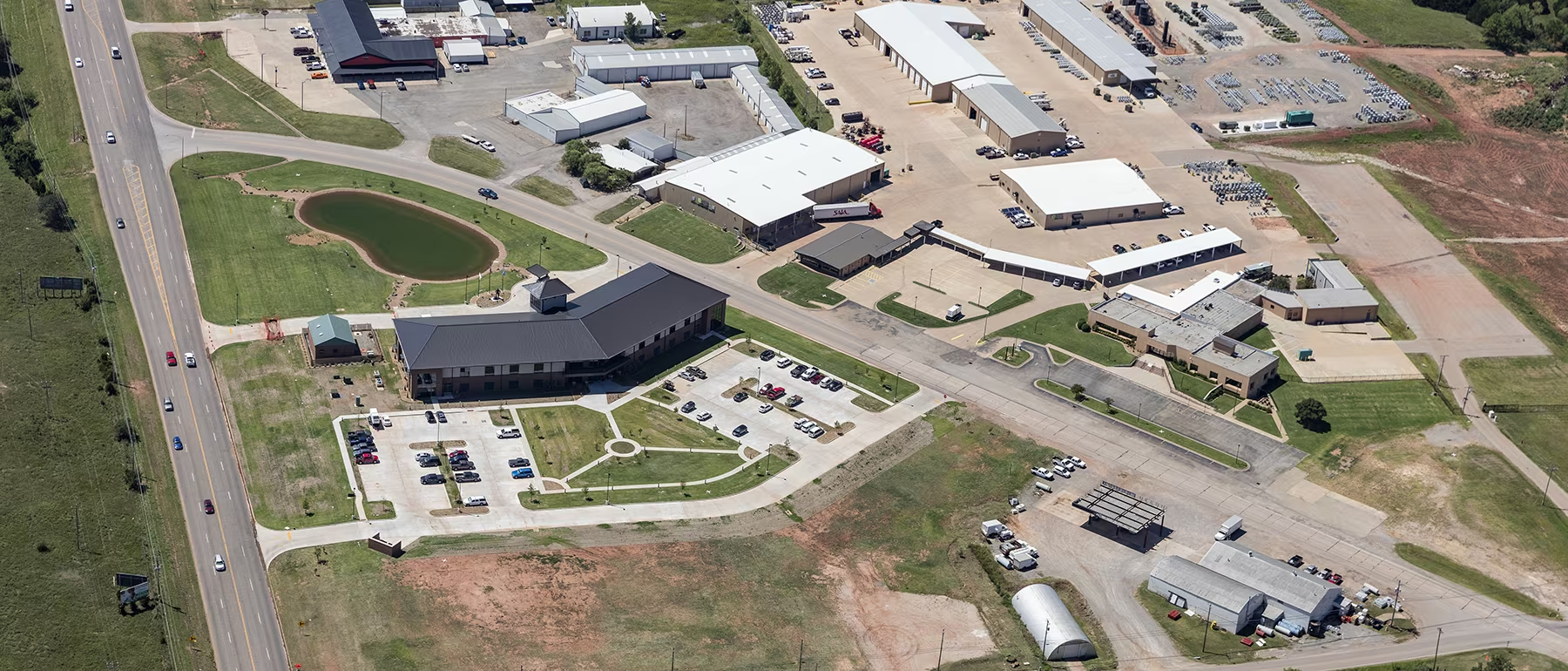
Pre-design 46-acre Central Rural Electric Cooperative campus in Stillwater, OK encompassing a headquarters building, call center, meter shop, equipment yard, and training facilities.
Utility & Energy Infrastructure
These facilities must support 24-hour operations, disaster response, and capital planning. Structural systems, yard logistics, mechanical performance, and security integration are coordinated from the earliest programming phase.
- Electric cooperative headquarters and district offices
- Operations and maintenance complexes
- Fleet storage and service facilities
- Hardened dispatch centers and IT rooms
- Equipment yards and contractor staging areas
- Warehouses and materials storage buildings
- Fueling stations and wash bays
- Integrated site circulation planning
Fleet, Maintenance & Logistics Facilities
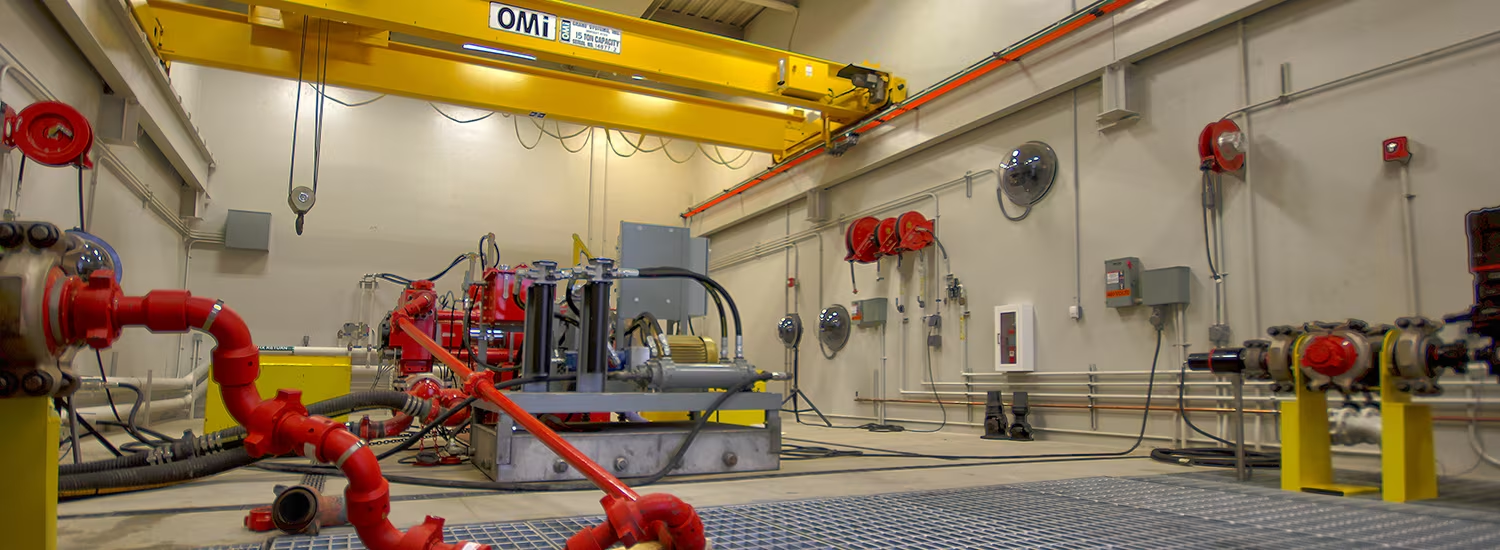
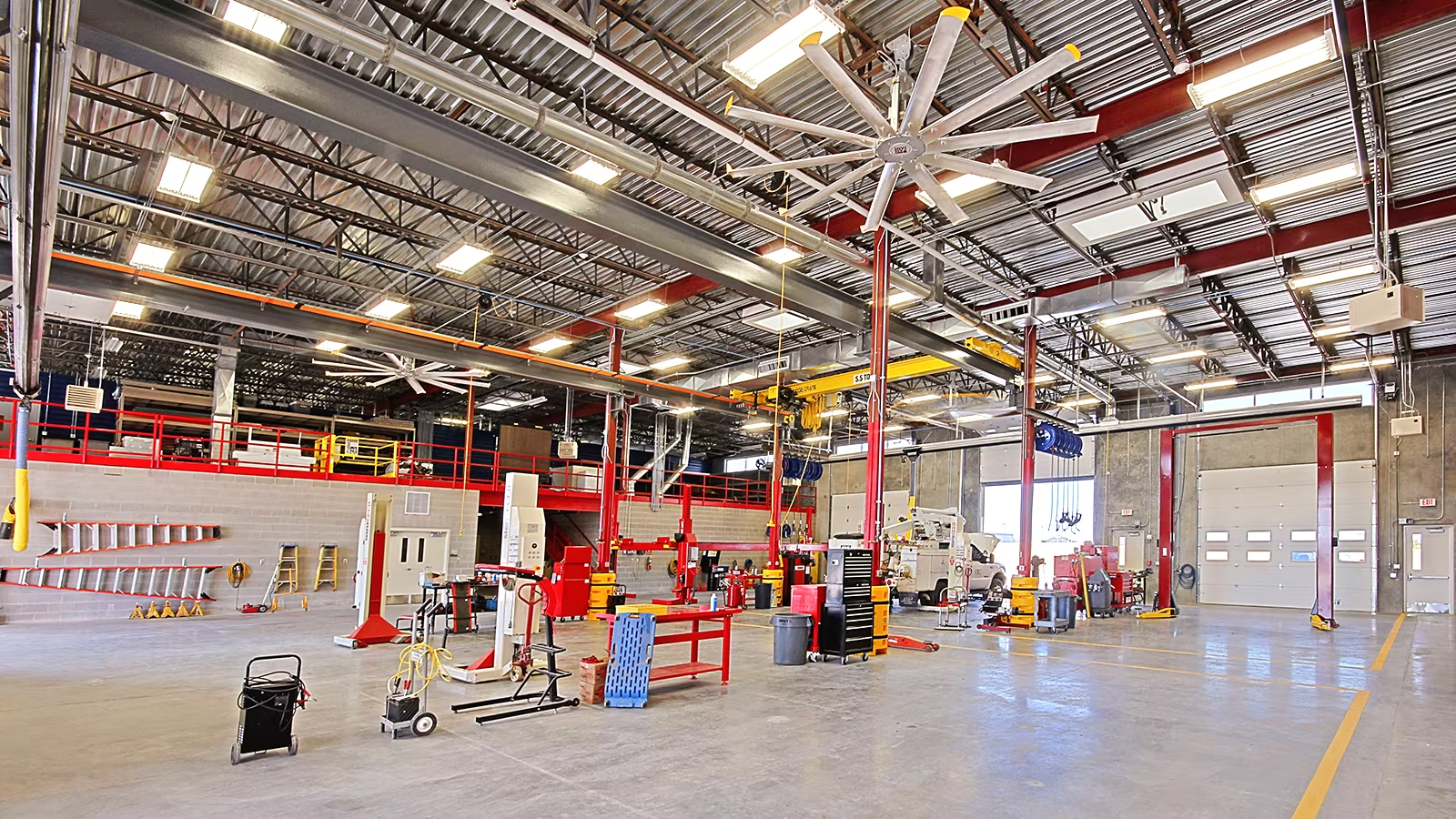
Maintenance and fleet environments demand integration of structure, ventilation, fuel systems, and heavy-duty circulation. Design decisions are driven by throughput, safety, ventilation requirements, and lifecycle durability. Every square foot must perform.
- Multi-bay service facilities with overhead bridge cranes
- Vehicle storage buildings with clear-span structures
- CNG-compliant mechanical and electrical upgrades
- Secure fueling stations and wash bays
- Central parts and tool control areas
- Municipal and federal maintenance complexes
Secure & Regulated Environments
Certain environments require heightened compliance and embedded systems coordination. Mechanical, electrical, structural, and security systems are embedded early to support uninterrupted operations and regulatory performance standards.
Architecture in these environments protects the mission.
Environment Types
- SCIF and compliance-driven spaces
- Secure laboratory and research environments
- Aviation and high-bay facilities
- Federal logistics and maintenance complexes
Project Demands
- Anti-terrorism and force protection considerations
- Phased renovation within active installations
- Early systems coordination
- Support for uninterrupted operations
Civic & Public Operations
Municipal and public agencies rely on facilities that serve both community and operational functions. Public infrastructure must perform visibly and reliably. The architecture supports both.
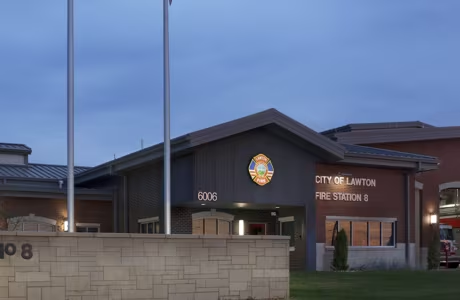
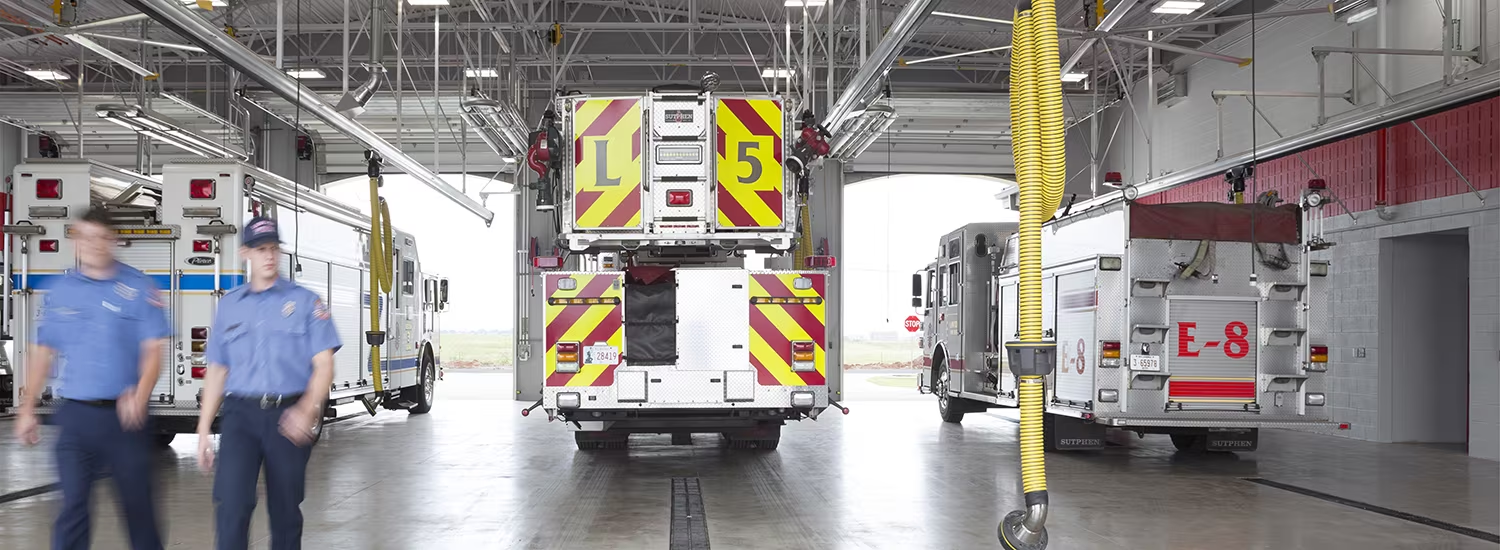
Representative fire stations and emergency facilities typically range from approximately 15,000 to 20,000 square feet and incorporate multi-bay apparatus storage, live-work quarters, storm shelters, secure public access separation, and energy-efficient mechanical systems.
Fire & Emergency Response
- Fire stations with optimized apparatus circulation and decontamination zoning
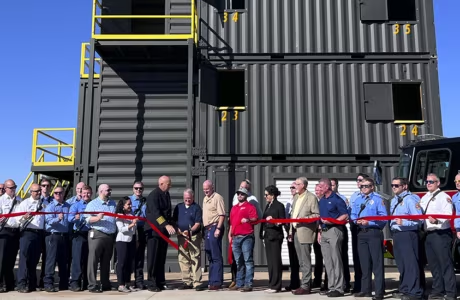
- Emergency response and training facilities
- Storm shelters
- Secure public access separation
- Energy-efficient mechanical systems designed to meet or exceed current code requirements
Public Works & Municipal Operations
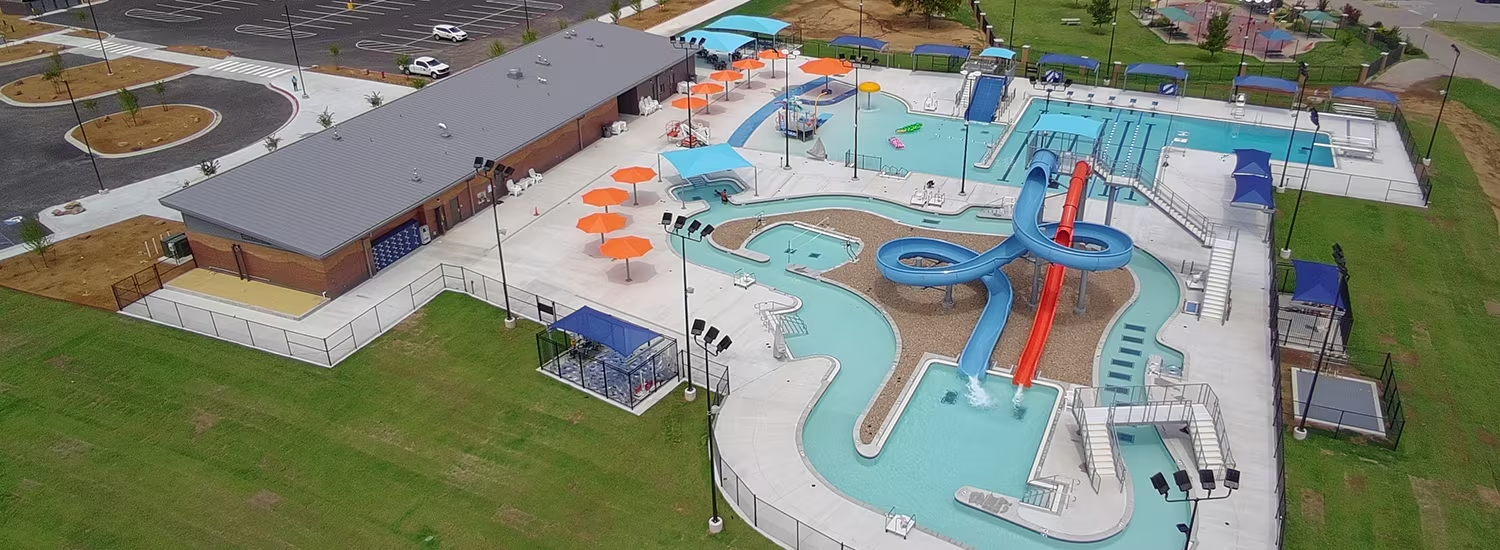
- Municipal maintenance and public works campuses
- Bond-funded civic infrastructure projects
- Fleet service bays
- Equipment storage
- Fueling systems, dispatch areas, and secure administrative offices
Integrated Architecture & Engineering
Innovation and operational clarity are sustained through integration. Our architecture team collaborates with civil, structural, mechanical, and electrical engineers from project inception.
This integrated approach aligns building systems with site infrastructure, fleet logistics, regulatory requirements, and lifecycle performance goals.
How Integration Works
- We define operational workflows before finalizing building form
- We coordinate ventilation, fueling, and structural demands within maintenance environments
- We embed performance criteria and security requirements early in design
- We plan phased construction strategies when facilities must remain operational
Built for Performance Under Constraint
Across utilities, municipalities, federal installations, aviation clients, corporate headquarters, and institutional campuses, the consistent objective is performance under constraint.
Innovation strengthens that performance. Integration sustains it. Architecture makes it visible.
Contact Us Today!FAQs
We design non-residential operational facilities including electric cooperative headquarters, operations and maintenance campuses, fleet and vehicle maintenance buildings, fire stations, emergency response facilities, secure federal and aviation environments, corporate headquarters, and institutional campuses.
Yes. Our experience includes headquarters, dispatch centers, warehouse facilities, fleet storage buildings, equipment yards, storm-hardened operational environments, and integrated campus planning for electric cooperatives across multiple states.
Yes. We design facilities incorporating SCIF requirements, hardened IT and telecommunications rooms, anti-terrorism and force protection considerations, and other federal and regulated environment criteria. Our work includes aviation, logistics, and secure research facilities.
Modern fire station design integrates apparatus bays, decontamination zoning, live-work quarters, training spaces, storm shelters, secure separation between public and operational areas, and high-efficiency mechanical and electrical systems aligned with current energy codes.
Yes. We design multi-bay maintenance facilities with overhead bridge cranes, pit service, CNG-compliant ventilation systems, fueling stations, wash bays, parts storage, and integrated fleet circulation systems for municipal, federal, and utility clients.
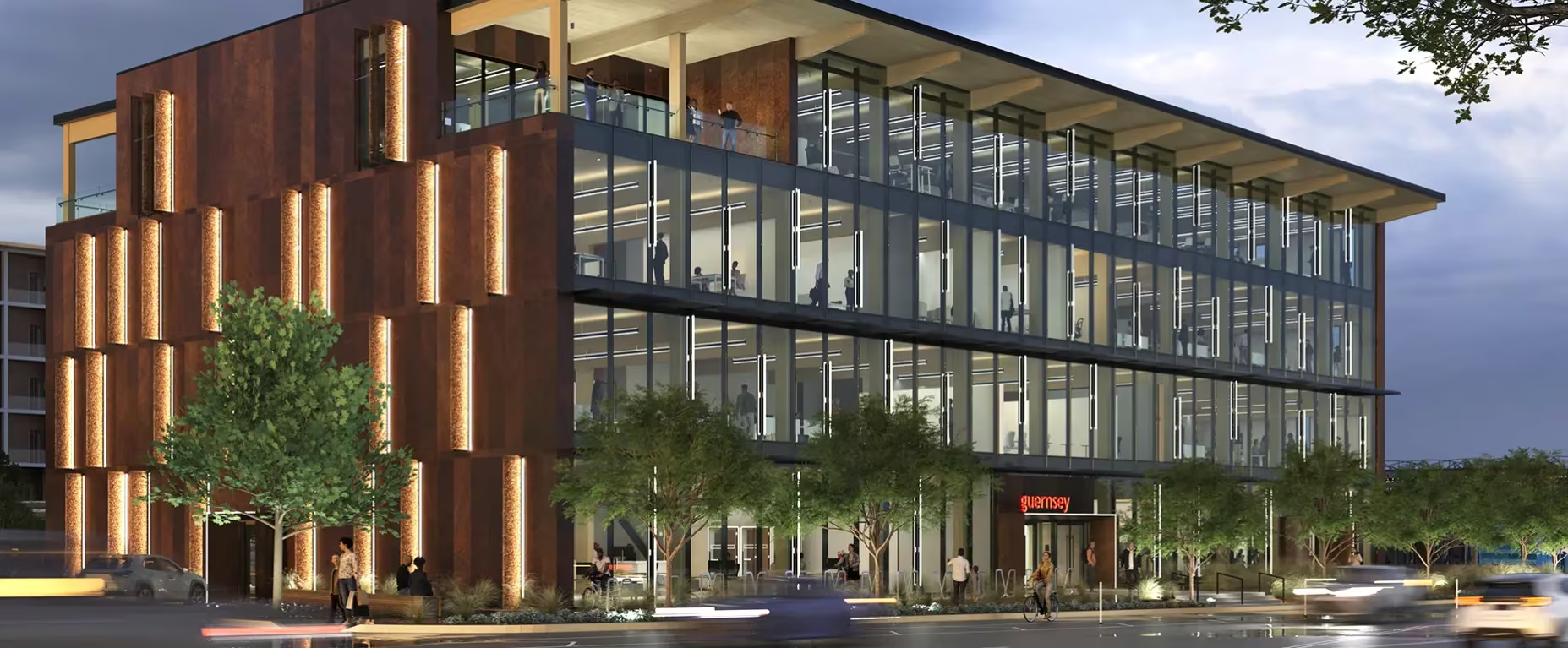
Yes. Our headquarters project demonstrates how mass timber structural systems, energy modeling, high-efficiency mechanical systems, and durable envelope strategies can be integrated into performance-driven non-residential architecture.
We plan phased construction strategies early in design, coordinate system sequencing, and embed performance criteria to minimize disruption and maintain continuity of operations.
We provide architecture and engineering services across multiple states, serving municipal, federal, utility, aviation, corporate, and education clients.
At concept. Early alignment of operations, systems, and site conditions prevents redesign, scope drift, and coordination delays.
These facilities are driven by workflow, safety, systems integration, and uptime requirements—not just space planning. Design decisions directly affect operations.
Early coordination aligns structural, mechanical, electrical, and site systems before design advances, reducing rework and maintaining schedule predictability.